
Coworking space booking
How do coworking spaces manage desk and meeting room bookings without conflicts?
A single real-time booking system keeps desks and rooms from colliding.
Practical, honest advice from the team behind CoWorkDeskr, written to help you do this well.
A single real-time booking system keeps desks and rooms from colliding.

Thoughtful limits keep popular desks available without frustrating loyal members.

Credits ration a scarce resource fairly and tie usage to membership value.

A quick check-in confirms attendance and keeps your space data accurate.

Advance-booking limits prevent hoarding and keep availability fair for everyone.

A handful of recurring booking pains drive most member complaints.
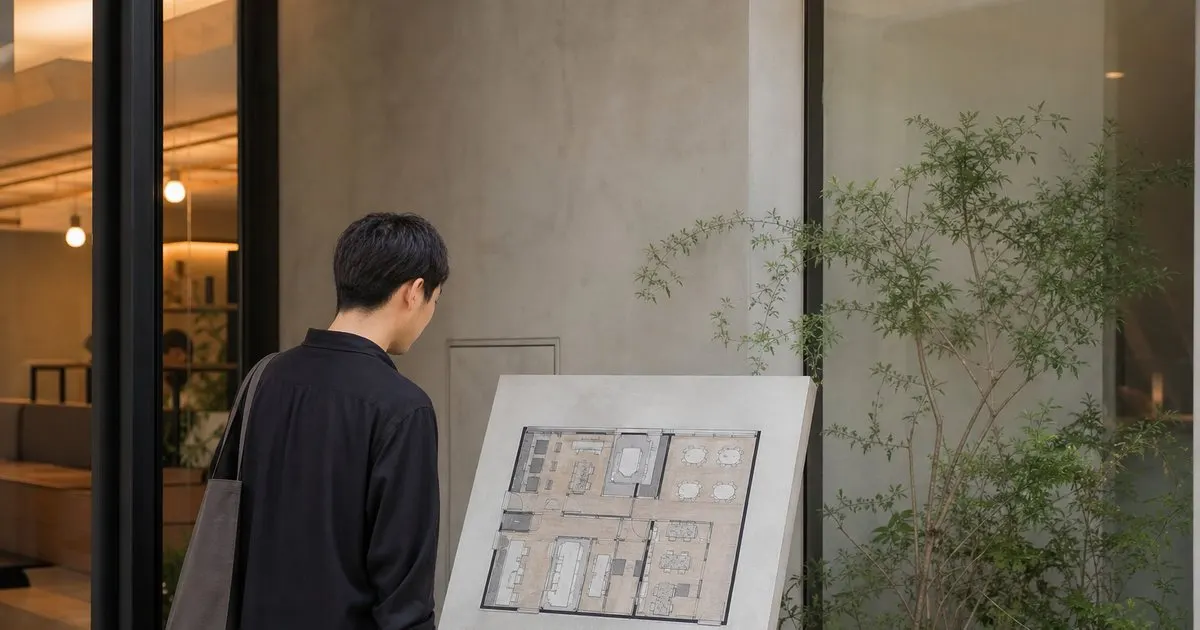
Clear, real-time signals let members book the right space without back and forth.
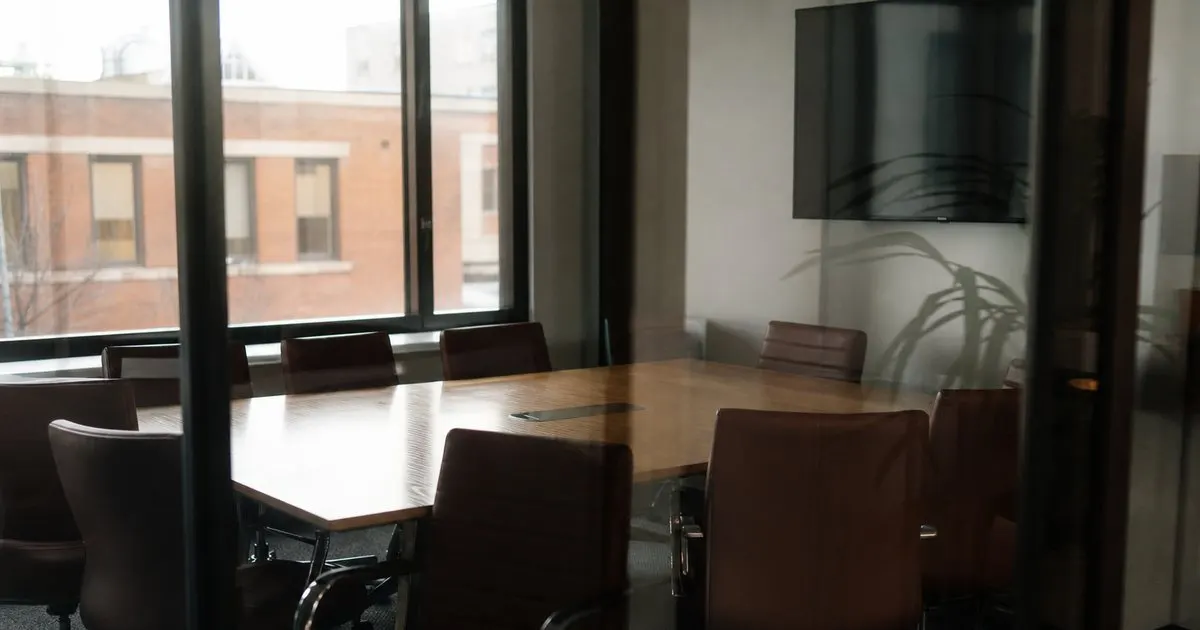
Check-ins, reminders, and auto-release keep reserved space from sitting empty.

Usage data turns capacity planning from guesswork into informed decisions.

Drop-in guests bring revenue and future members, but they also bring friction at the front desk. Here is how to sell and manage day passes without disrupting the people who pay monthly.

Teams of three to eight people want to sit together, but a hot desk system built for individuals makes that hard. Here is how to offer group bookings without hand-holding every request.

A recurring booking is a gift to the member who holds it and a headache for everyone else. Here is how to decide when standing reservations make sense and how to keep them from freezing your rooms.

The split between reserved and flexible seating shapes your revenue, your occupancy, and how full the room feels. Here is how to find a ratio that fits your members instead of copying someone else's.

A waitlist turns a dead end into a queue. Here is why it changes member behavior, how to set one up, and the rules that stop it from becoming a second source of frustration.

Phone booths are among the most contested spots in most coworking spaces. Here is how to decide whether to make them bookable, how to stop a few heavy users from monopolizing them, and what to do when there are never enough.

A second site is not a copy of the first. Here are the booking settings that need to change, the ones that should stay identical, and the cross-location questions to answer before opening day.

Events bring people and revenue but collide with the members who were planning to work late. Here is how to block space cleanly, warn members early, and avoid the double booking that turns a good night into a bad review.

Most booking problems with new members are onboarding problems in disguise. Here is a first-week plan that gets people booking confidently and saves your staff from fixing the same mistakes every Monday.

The cancellation cutoff is a small setting that quietly decides whether your rooms stay full or sit empty. Here is how to choose the number, how to handle late cancellations, and how to keep exceptions from eating the rule.

After-hours bookings look identical to daytime ones until something goes wrong and nobody is there to fix it. Here is how to write a second set of rules for unstaffed hours without walking back your 24/7 promise.